Finlume
Smarter decisions about money — practical finance guides, updated daily.
-
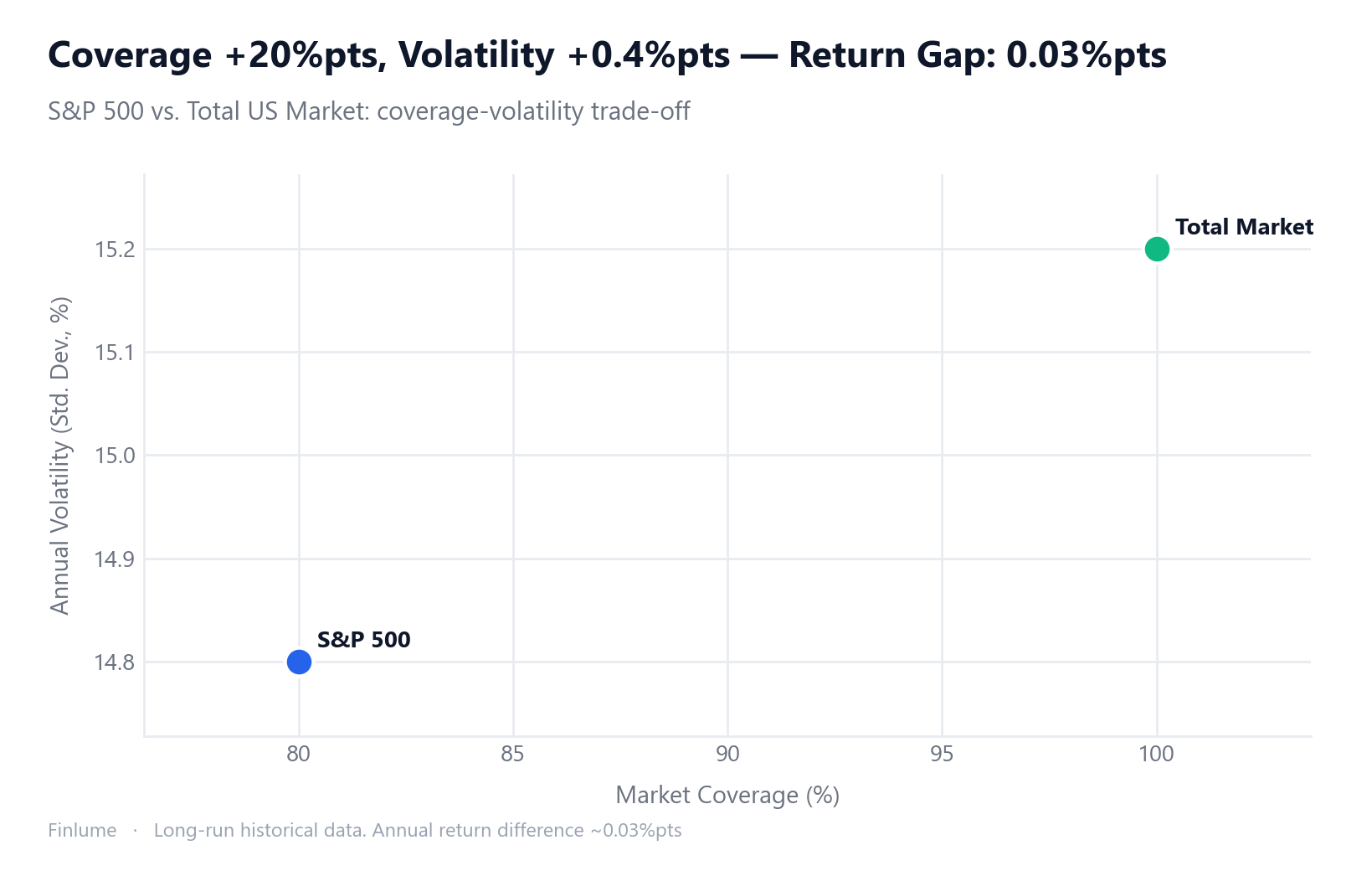
S&P 500 vs. Total US Market: Does the Difference Actually Matter?
A data-driven comparison of the S&P 500 and the total US market index — covering composition, returns, concentration risk, and how to pick the right one for you.
-
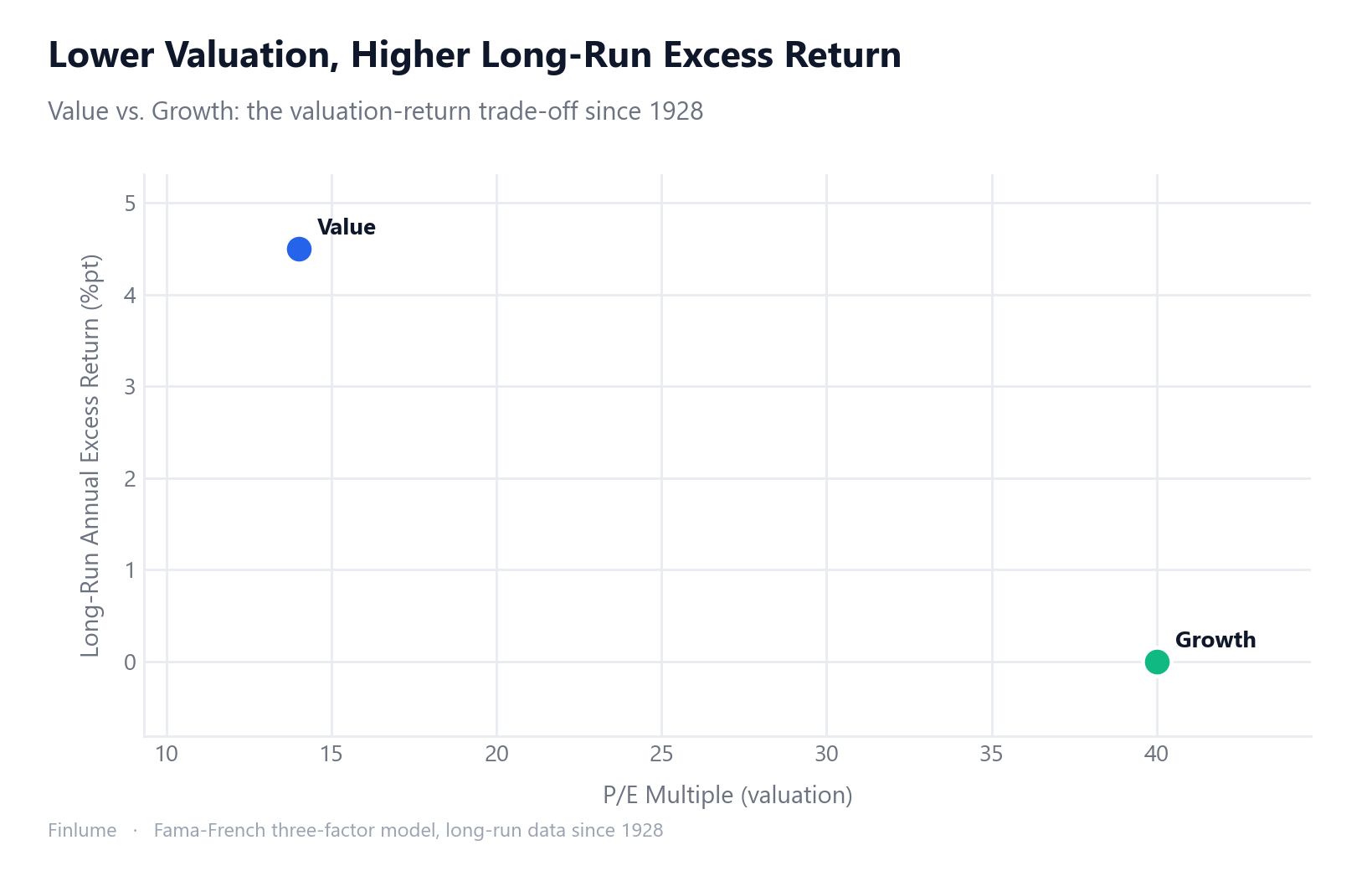
Value vs. Growth Investing: Why Neither Always Wins
A practical breakdown of value and growth stocks — key metrics, historical performance cycles since 1928, the role of interest rates, and what beginners should actually do about it.
-
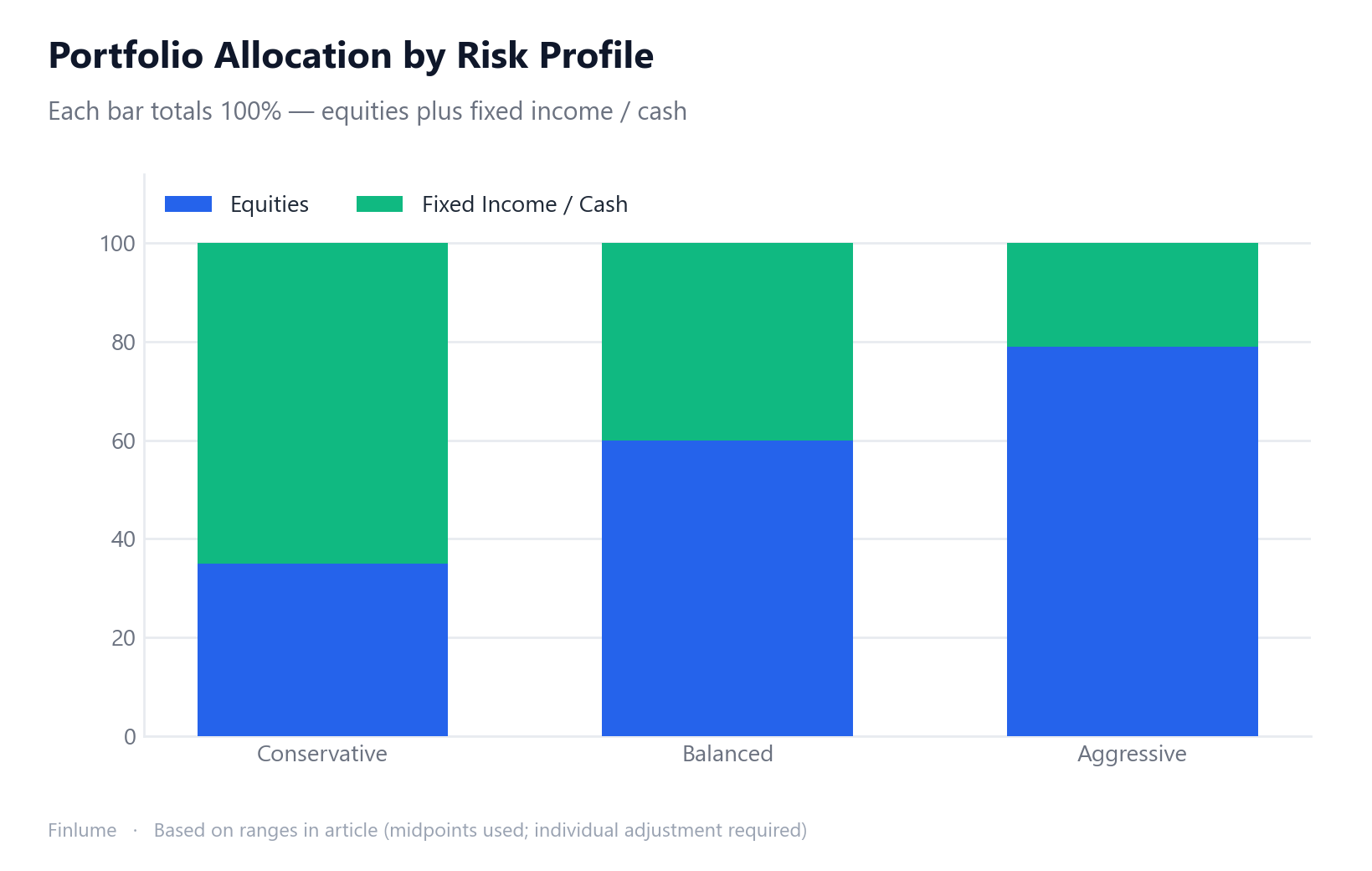
How to Actually Know Your Risk Tolerance (Before the Market Tests It)
Risk tolerance isn't a personality quiz. Learn the three-factor framework — capacity, willingness, and need — that tells you how much investment risk you can genuinely handle.
-
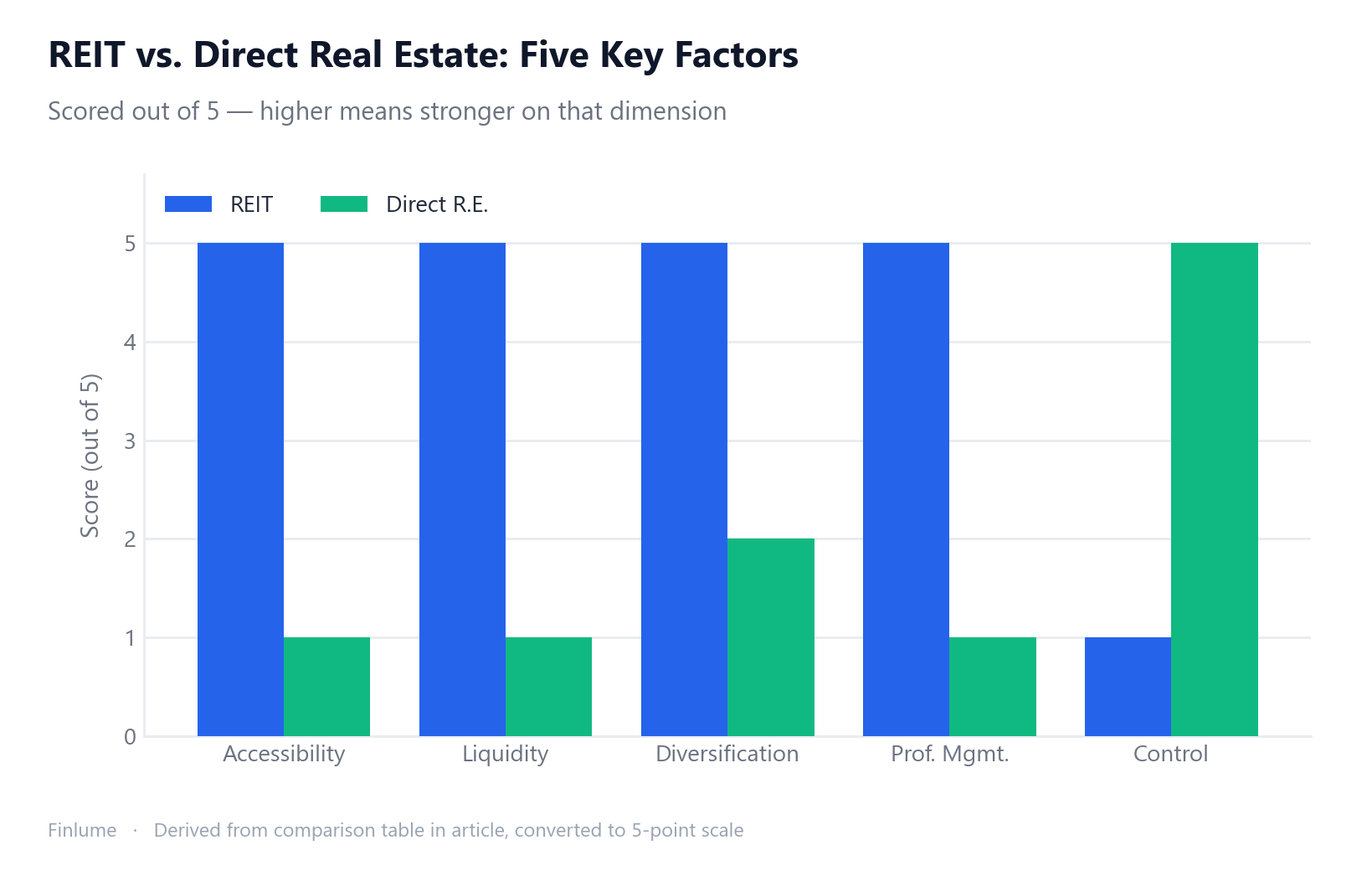
What Is a REIT? The Practical Guide to Investing in Real Estate Without the Hassle
How REITs work, the three main types, key risks including interest rate sensitivity, and how they compare to owning property directly. Everything you need to know before buying your first REIT.
-
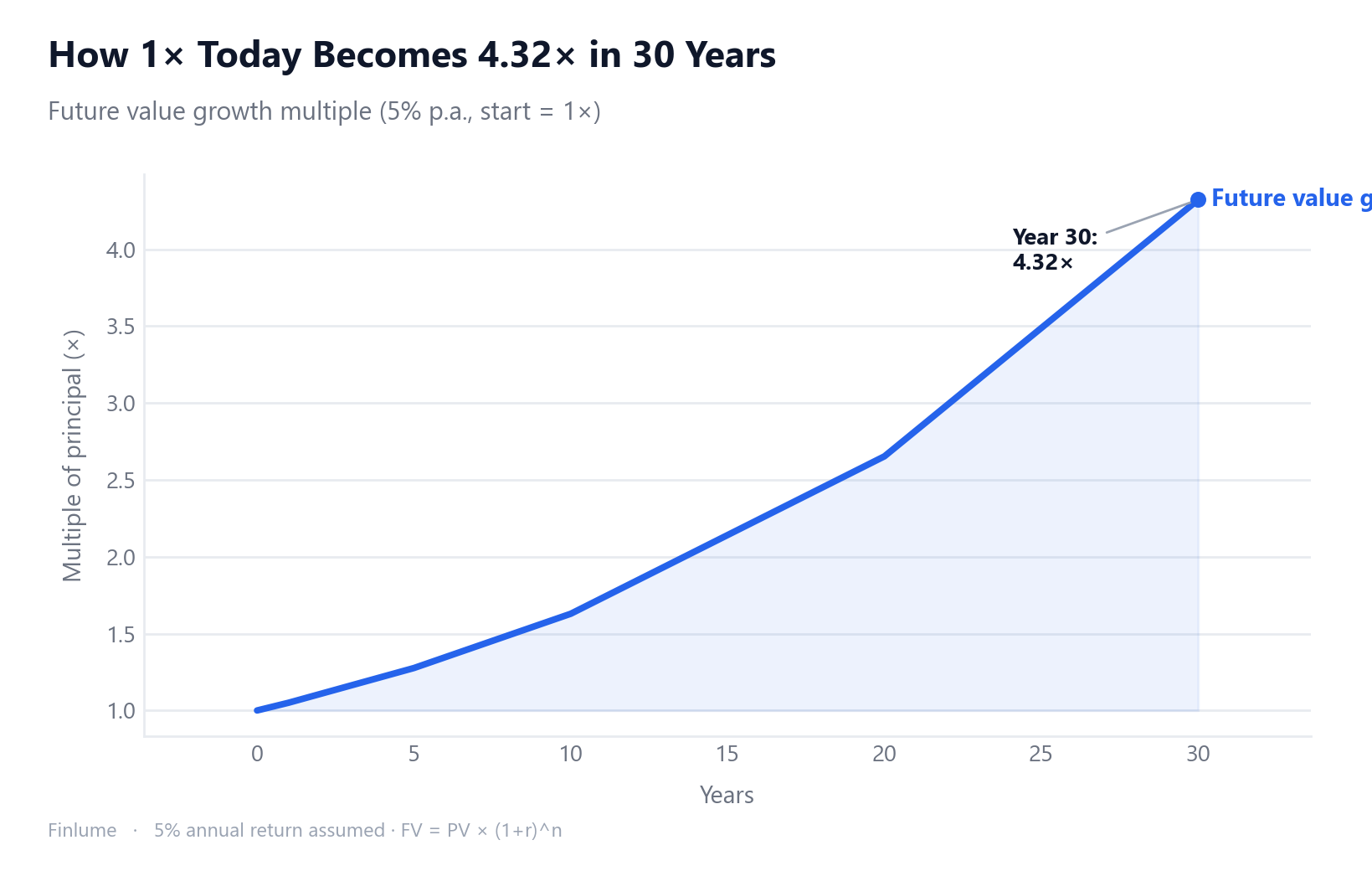
Why a Dollar Today Is Worth More Than a Dollar Tomorrow
The time value of money explained: three reasons it works, the PV and FV formulas, the Rule of 72, and how to compare a lump sum vs installments — with real numbers.
-
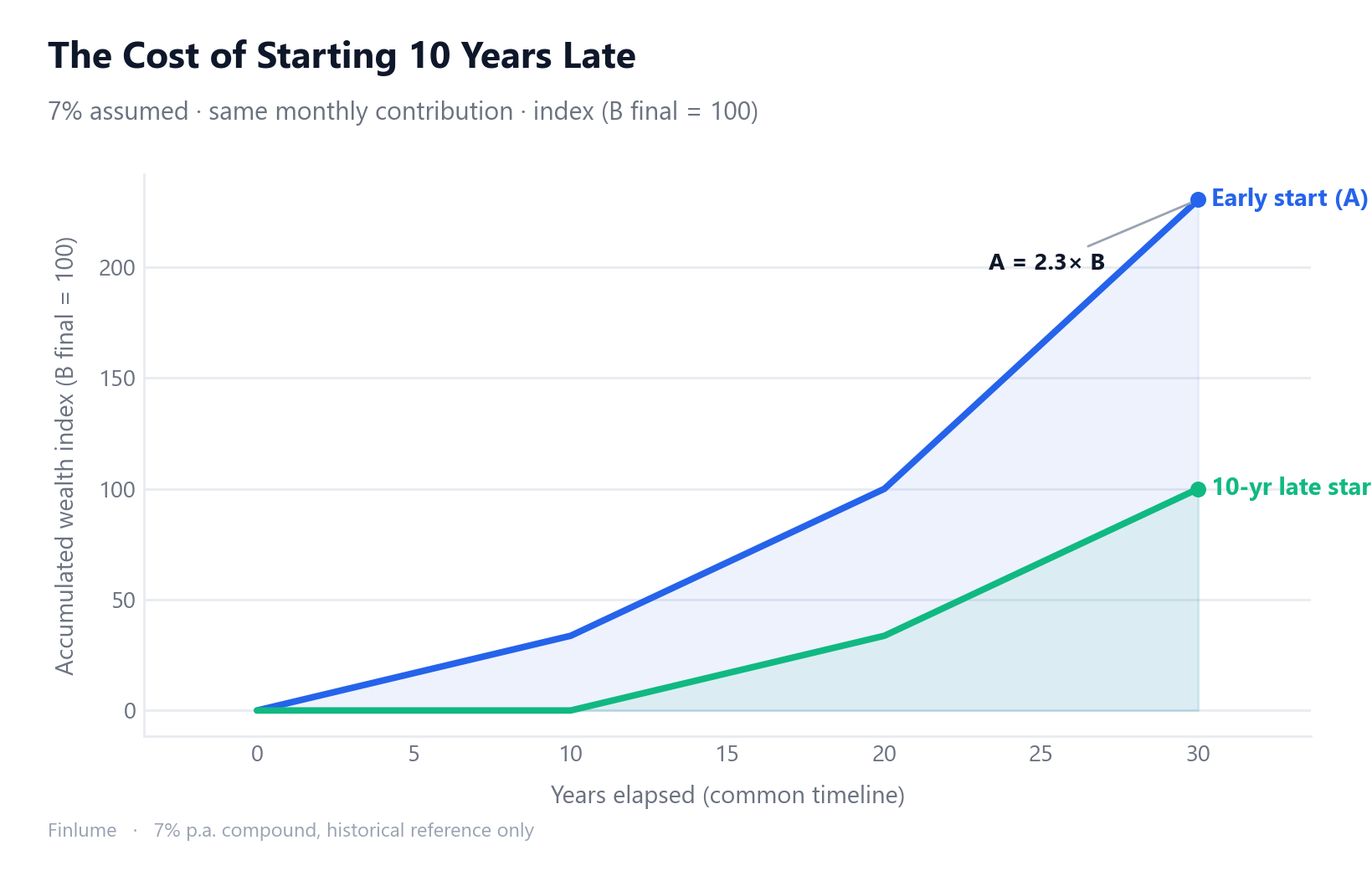
Every Financial Decision Has a Hidden Price Tag
Opportunity cost is the value of what you give up with every money choice. From holding cash to paying off debt vs. investing, here's how to make it work in your favor.
-
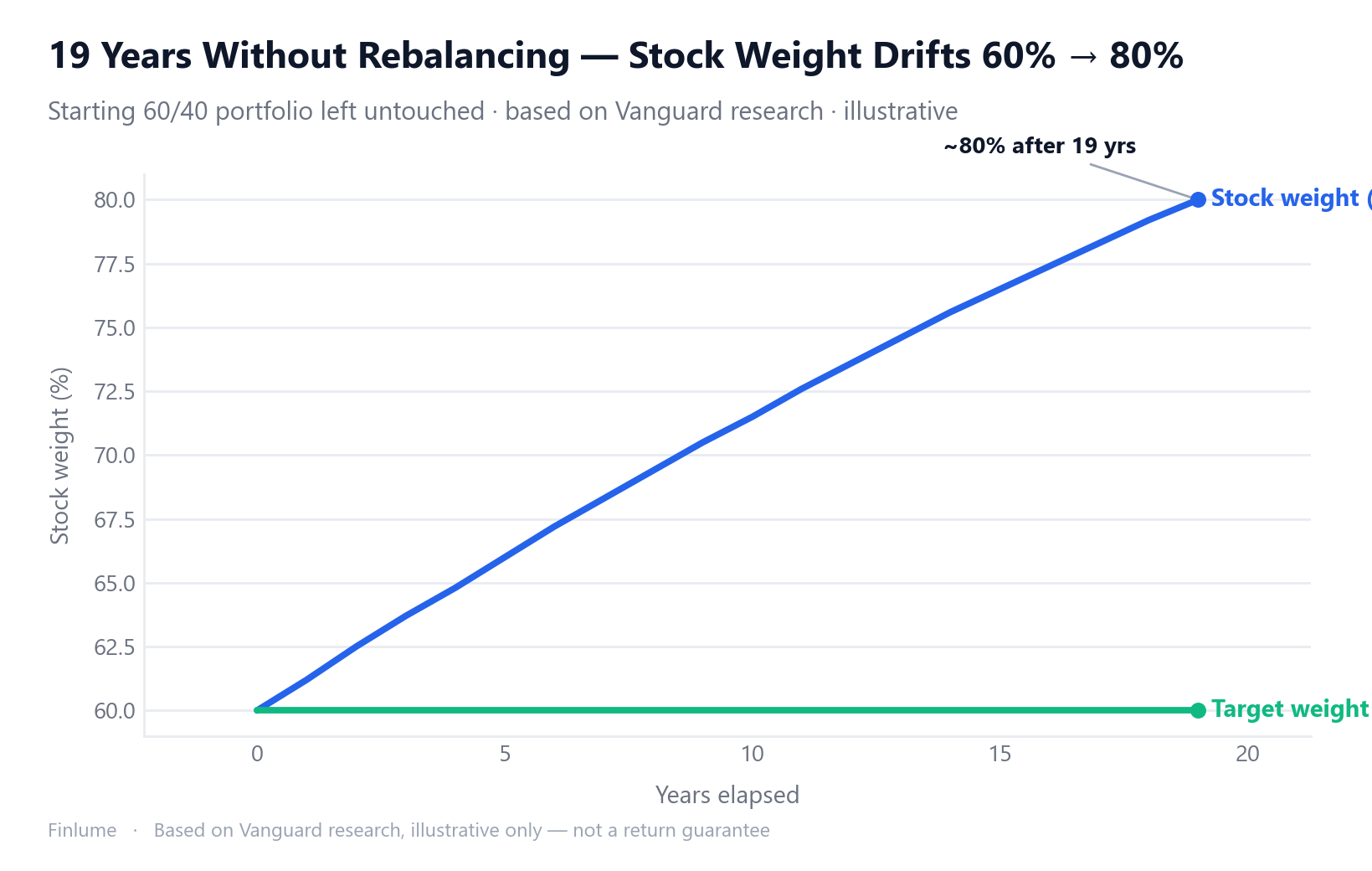
Portfolio Rebalancing: The Risk You Don't See Growing
Leave a 60/40 portfolio untouched for 19 years and stocks balloon to 80%. Here's how rebalancing keeps your risk in check — three methods, how often to do it, and how to rebalance without selling.
-
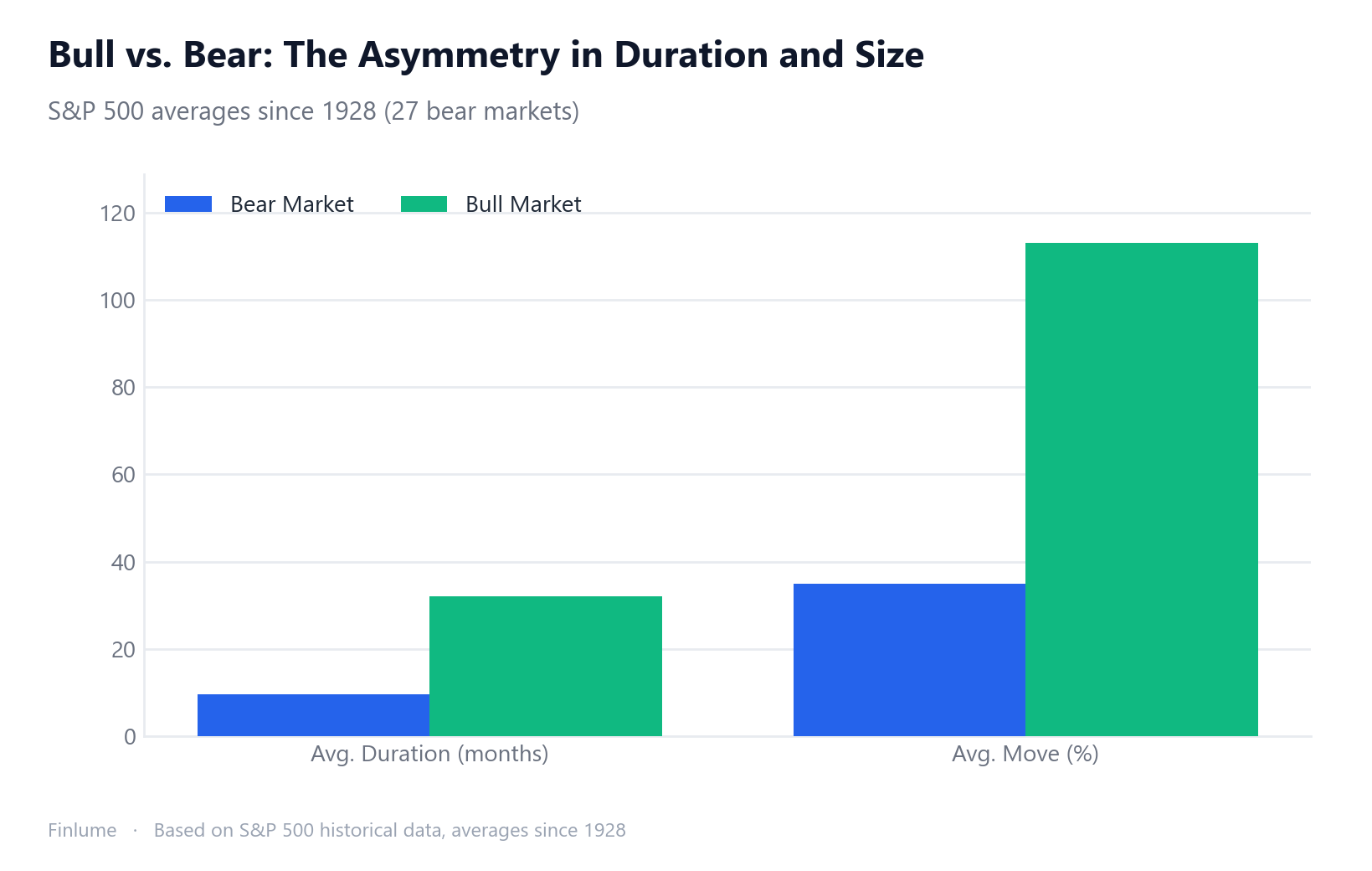
Bear Markets Are Normal — Here's What the Data Actually Shows
The ±20% definitions, 95 years of S&P 500 patterns, two types of bear markets, and why missing just ten good days can cut your returns in half.
-
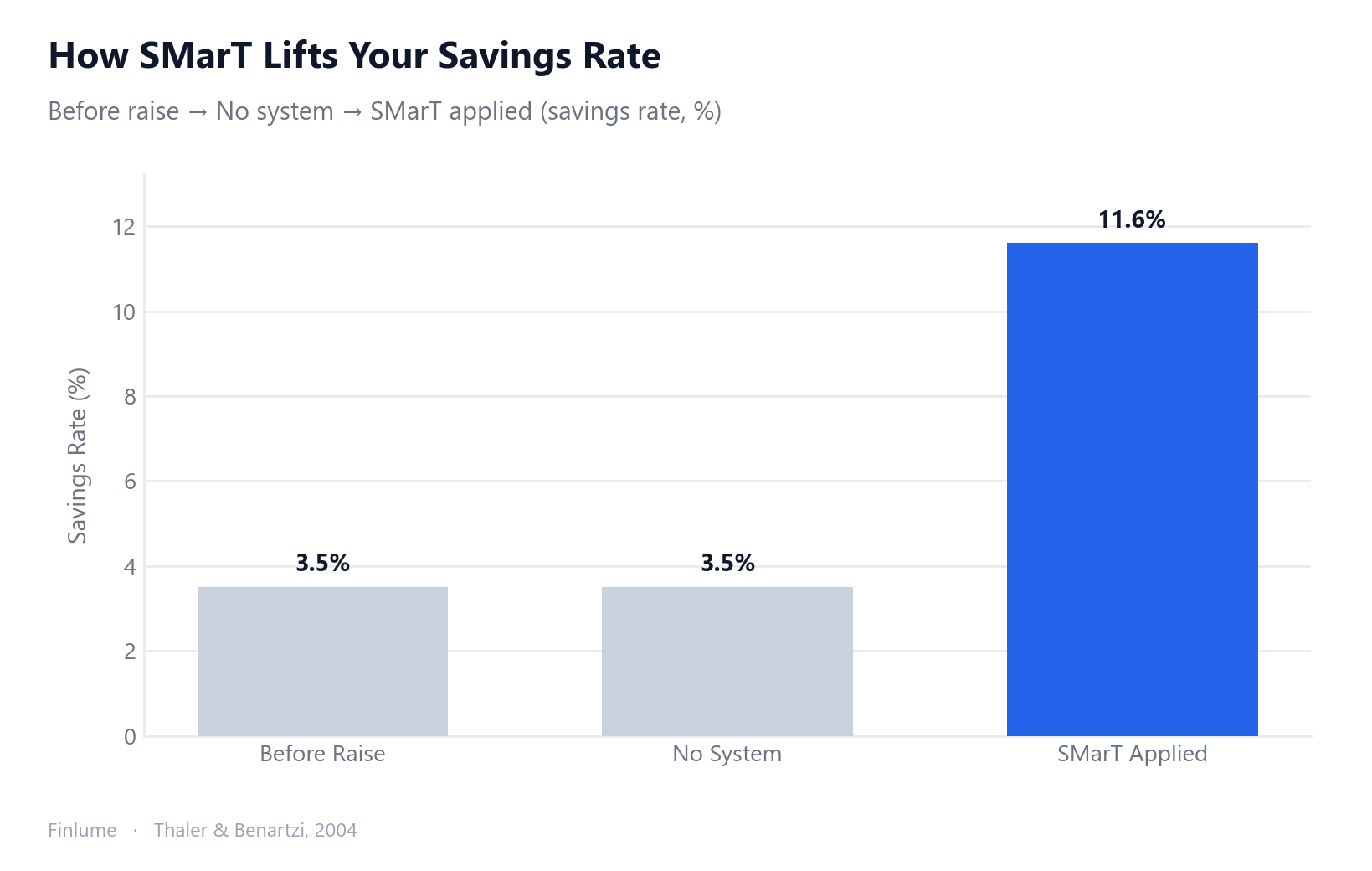
Why a Raise Never Seems to Be Enough: The Lifestyle Creep Trap
Lifestyle creep silently absorbs every pay raise before you notice. Here's the psychology behind it — hedonic adaptation, social comparison — and the SMarT strategy to stop it.
-
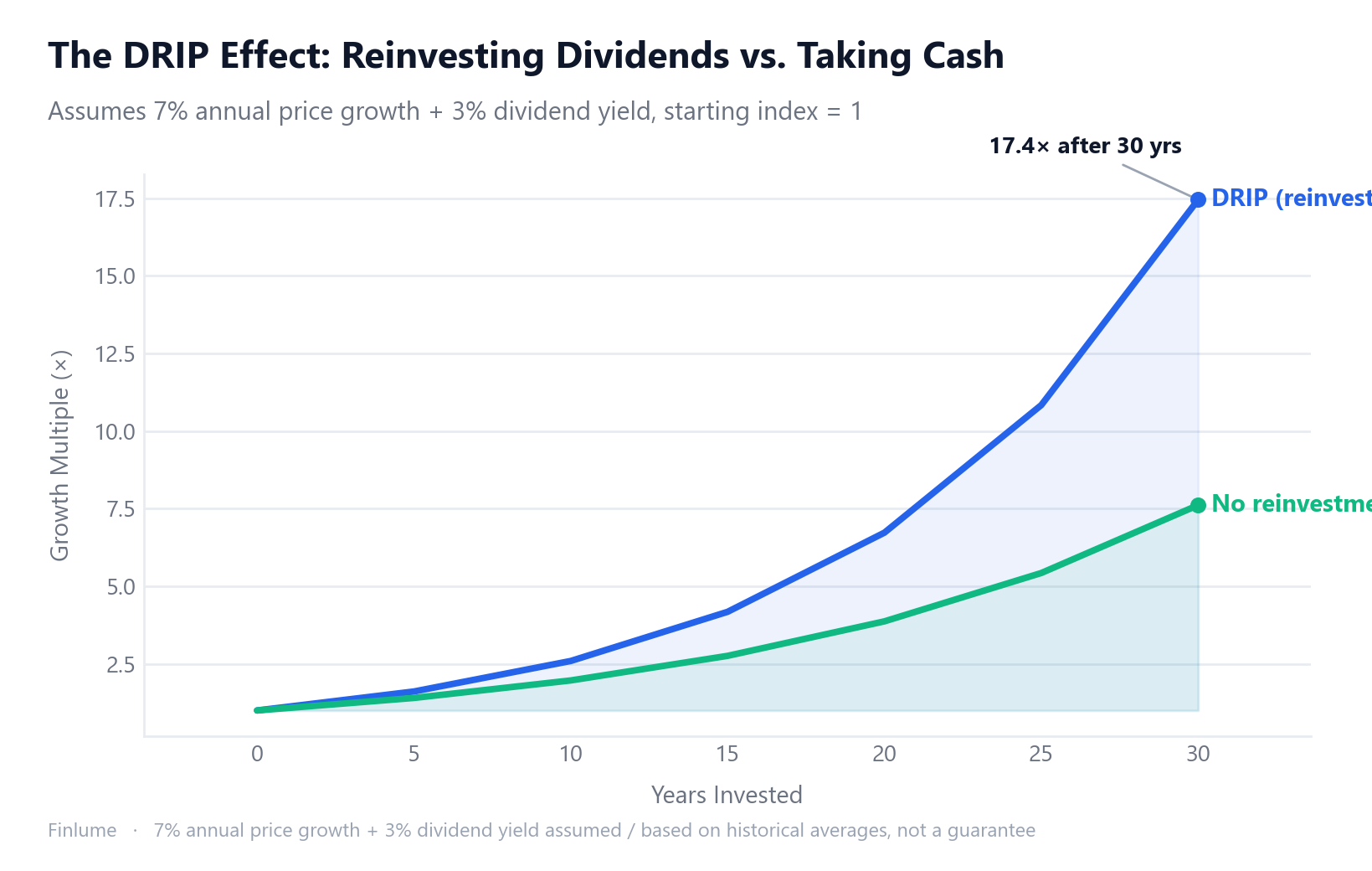
What Is a Dividend and How Does It Actually Work?
A clear guide to dividends: how they're declared, the four key dates you must know, how to read yield and payout ratios, DRIP compounding, and why dividends can disappear.
-
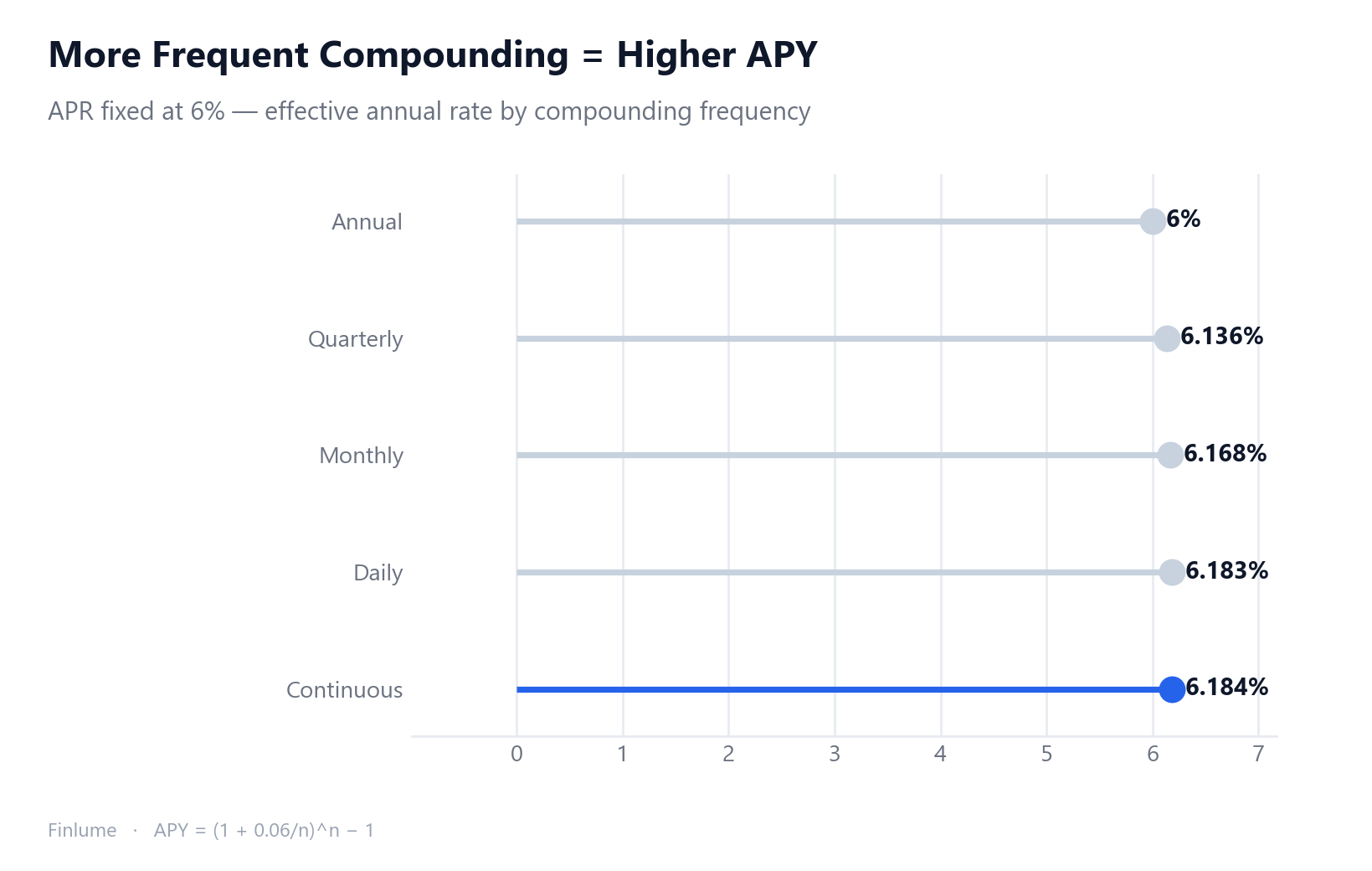
APR vs APY: Why the Same Rate Can Mean Different Money
APR and APY look similar but measure different things. Learn the formula, see real examples, and understand why lenders advertise APR while savings accounts show APY.
-
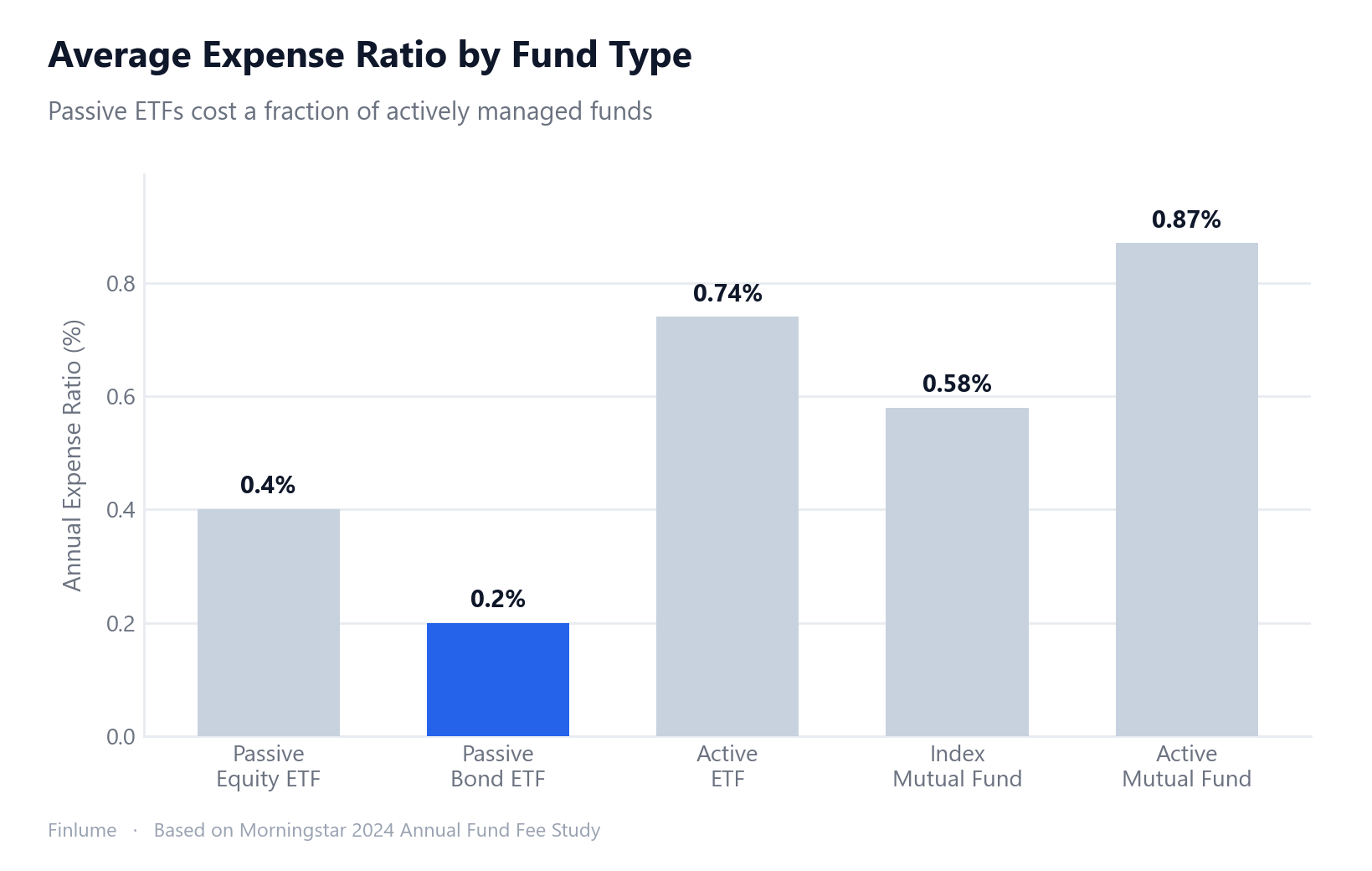
ETFs Explained: What They Are and How They Actually Work
Invest in hundreds of assets at once, trade them like a stock — ETFs do both. Here's how they really work, how they differ from mutual funds, and three things to check before you buy.
-
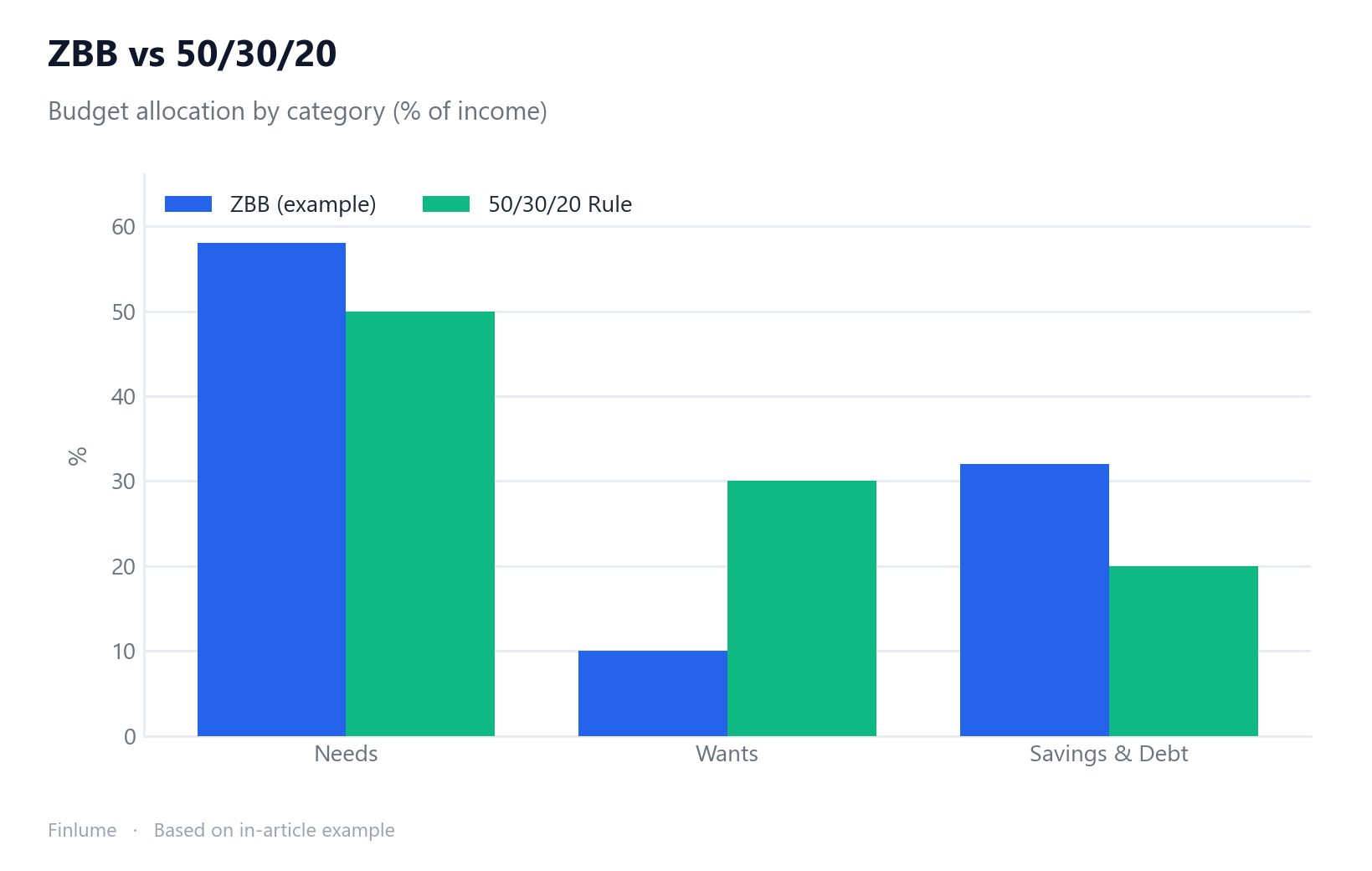
Zero-Based Budgeting: Give Every Dollar a Job and Stop Losing Track
Income minus every allocation equals zero. That's zero-based budgeting (ZBB) in a sentence. Here's the definition, its origins, a 5-step how-to, the pros and cons, a 50/30/20 comparison, and a self-check on whether it fits you.
-
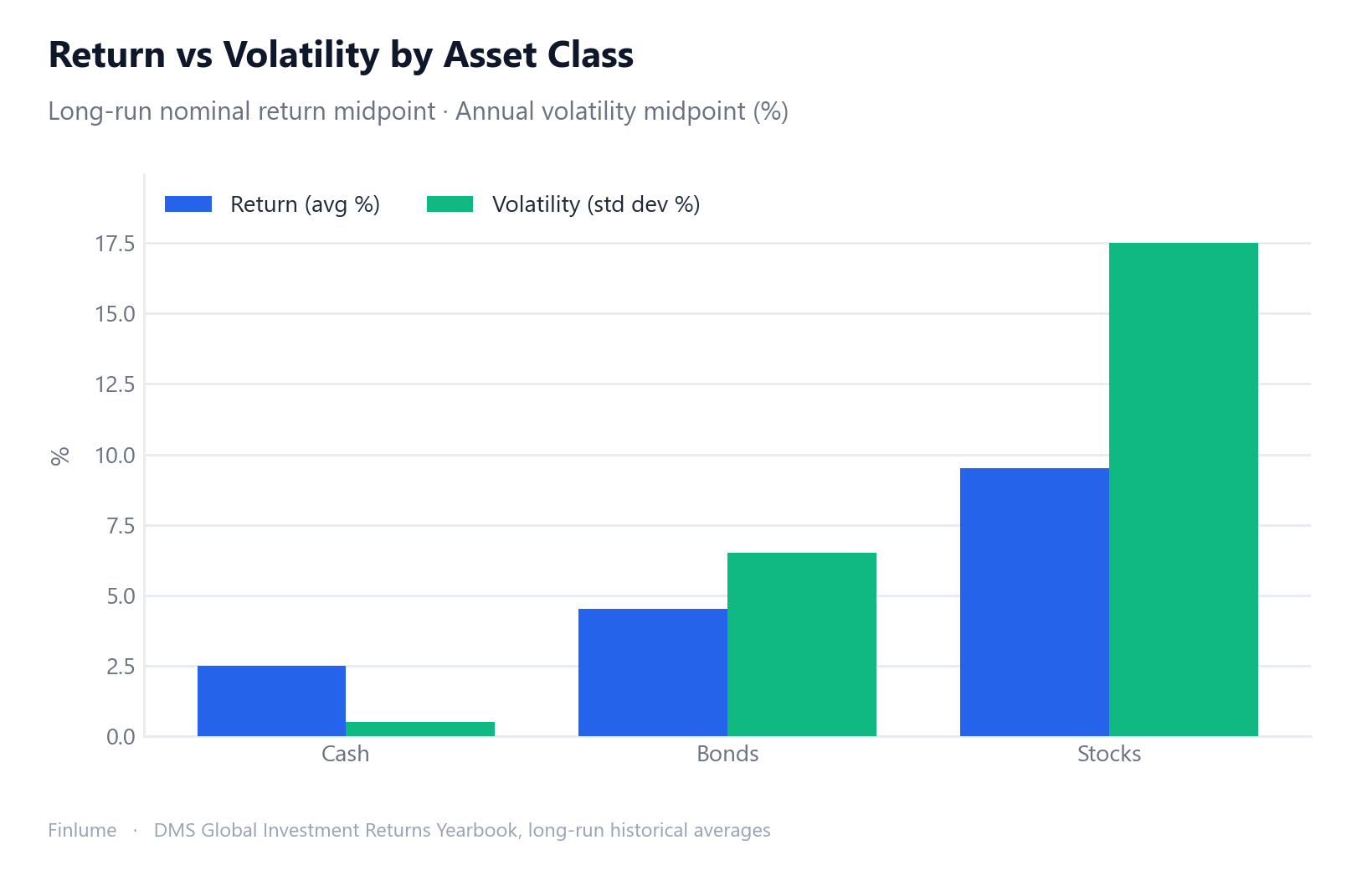
Why Higher Returns Always Come With Higher Risk
Want higher returns? You'll have to stomach bigger swings. Here's the risk-return tradeoff in plain numbers: stocks vs. bonds vs. cash, the equity risk premium, drawdowns, time horizon, diversification, and the Sharpe ratio.
-
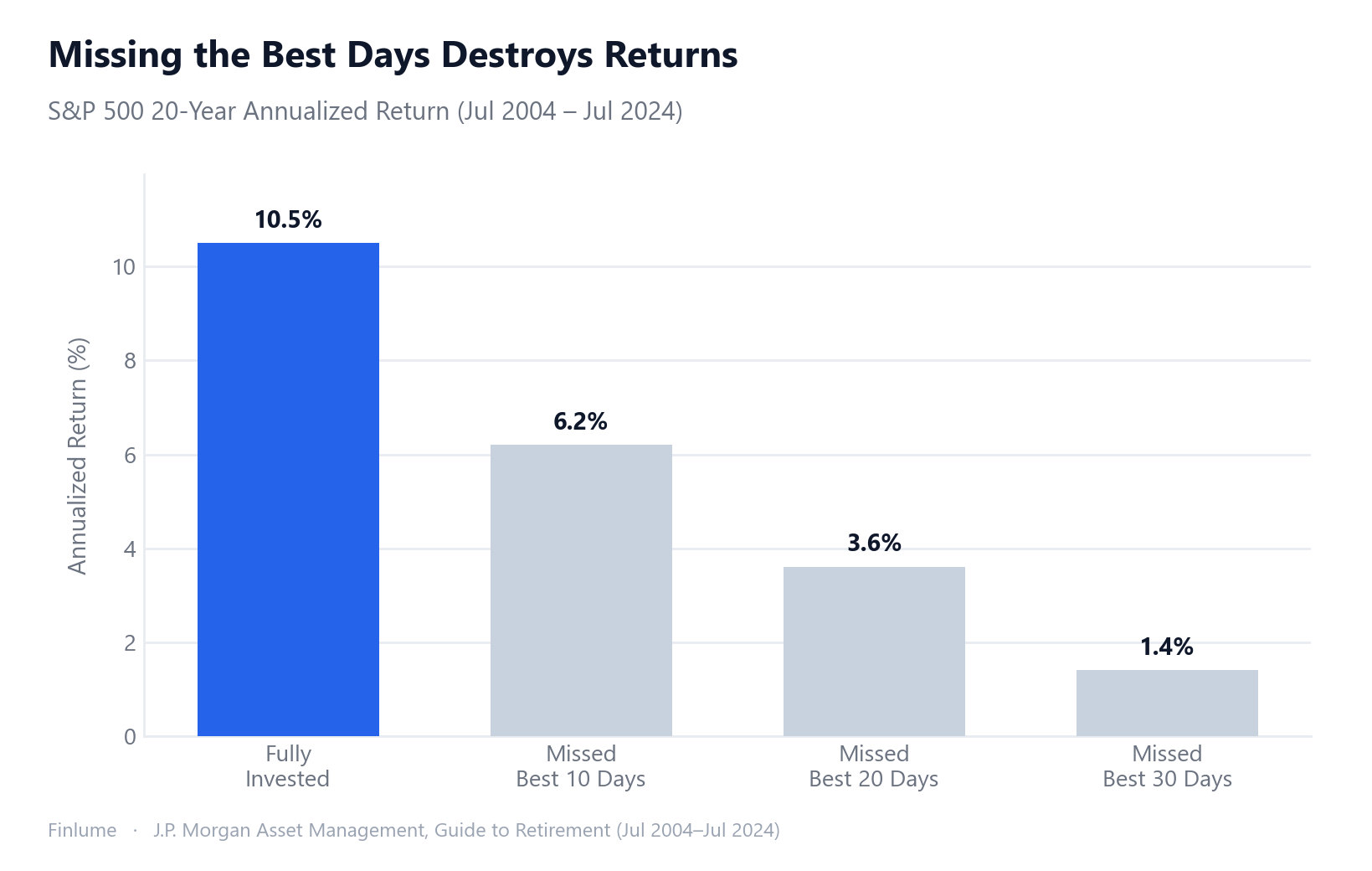
Why Market Timing Fails in Long-Term Investing
Sell high, buy low — so why does market timing keep failing over the long run? Using data from J.P. Morgan, SPIVA, and Morningstar, we break down the cost of missing the best days and the behavior gap, then make the case for 'time in the market' instead.
-
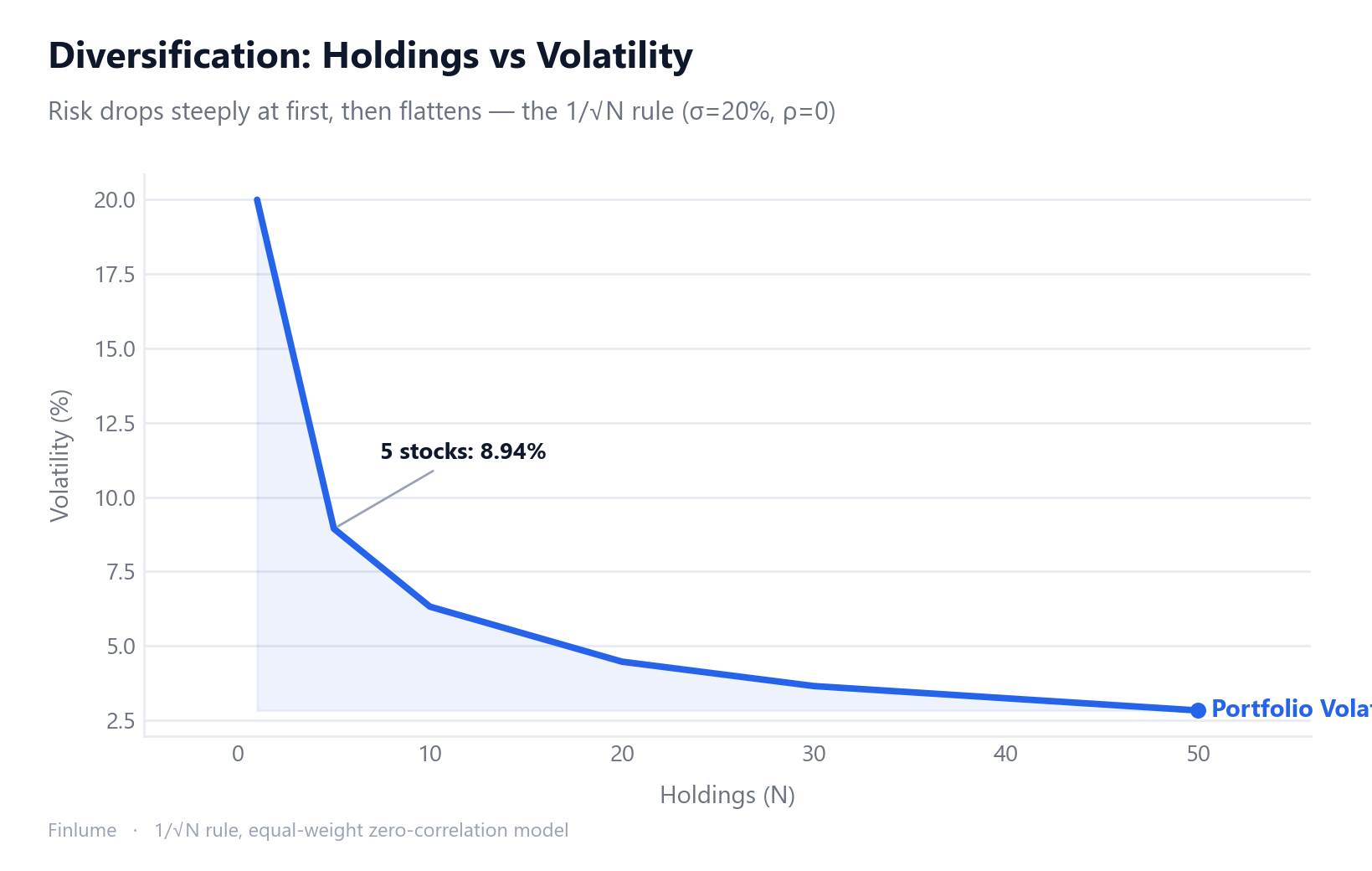
How Diversification Reduces Risk — and Where It Quietly Fails
How does diversification actually cut risk? From the math of correlation to the 1/√N rule to the moment diversification betrays you in a crisis. An honest look at the risk it removes — and the risk it can never touch.
-
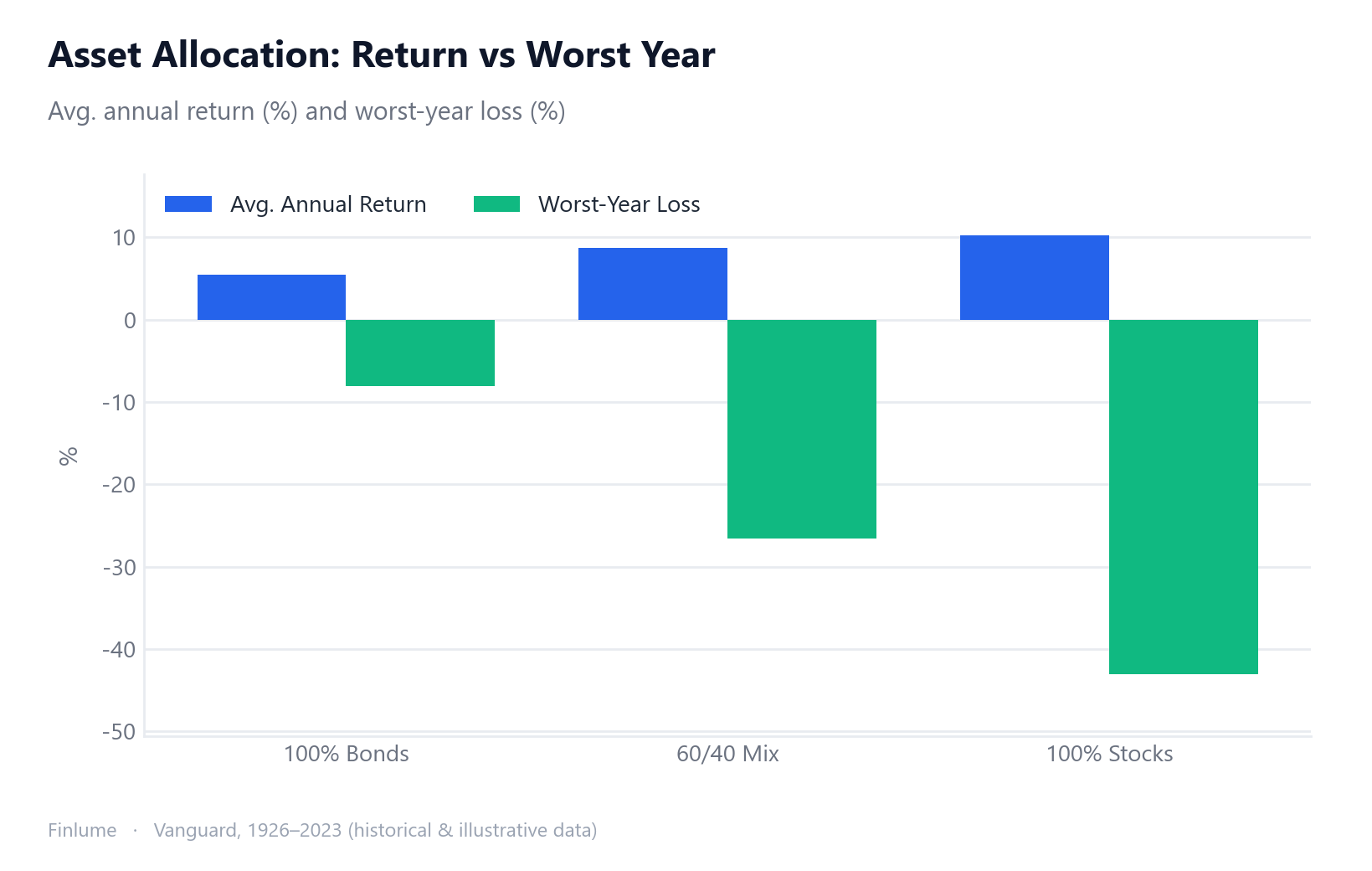
Why Every Portfolio Needs Bonds — And What They Actually Do
From the definition of a bond to duration, risk-return by asset allocation, and the hard lesson of 2022. A practitioner's plain-English take on what bonds actually do in your portfolio.
-
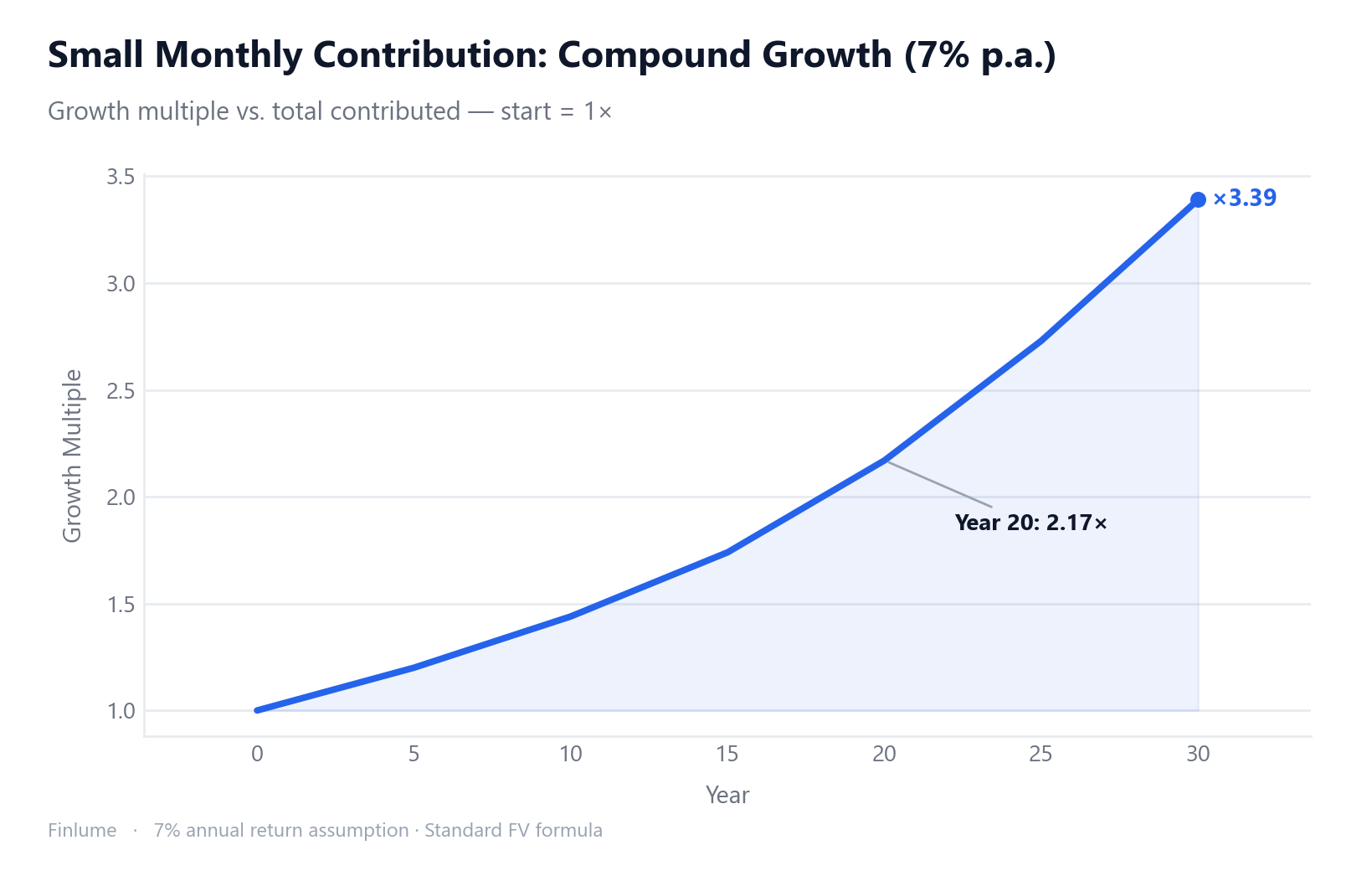
How to Start Investing With Little Money (A Realistic Plan)
Thinking you can't invest because you don't have much money is a myth. Emergency fund, fractional shares, dollar-cost averaging, compounding and fees — here's a realistic 4-step plan you can start with $50 a month, backed by data.
-

How to Set SMART Financial Goals
'Save more money' fails every single year because it has no numbers and no deadline. Here's how to use the SMART framework to attach figures and dates to your goals, backed by behavioral research and real compound-interest math that actually gets results.
-
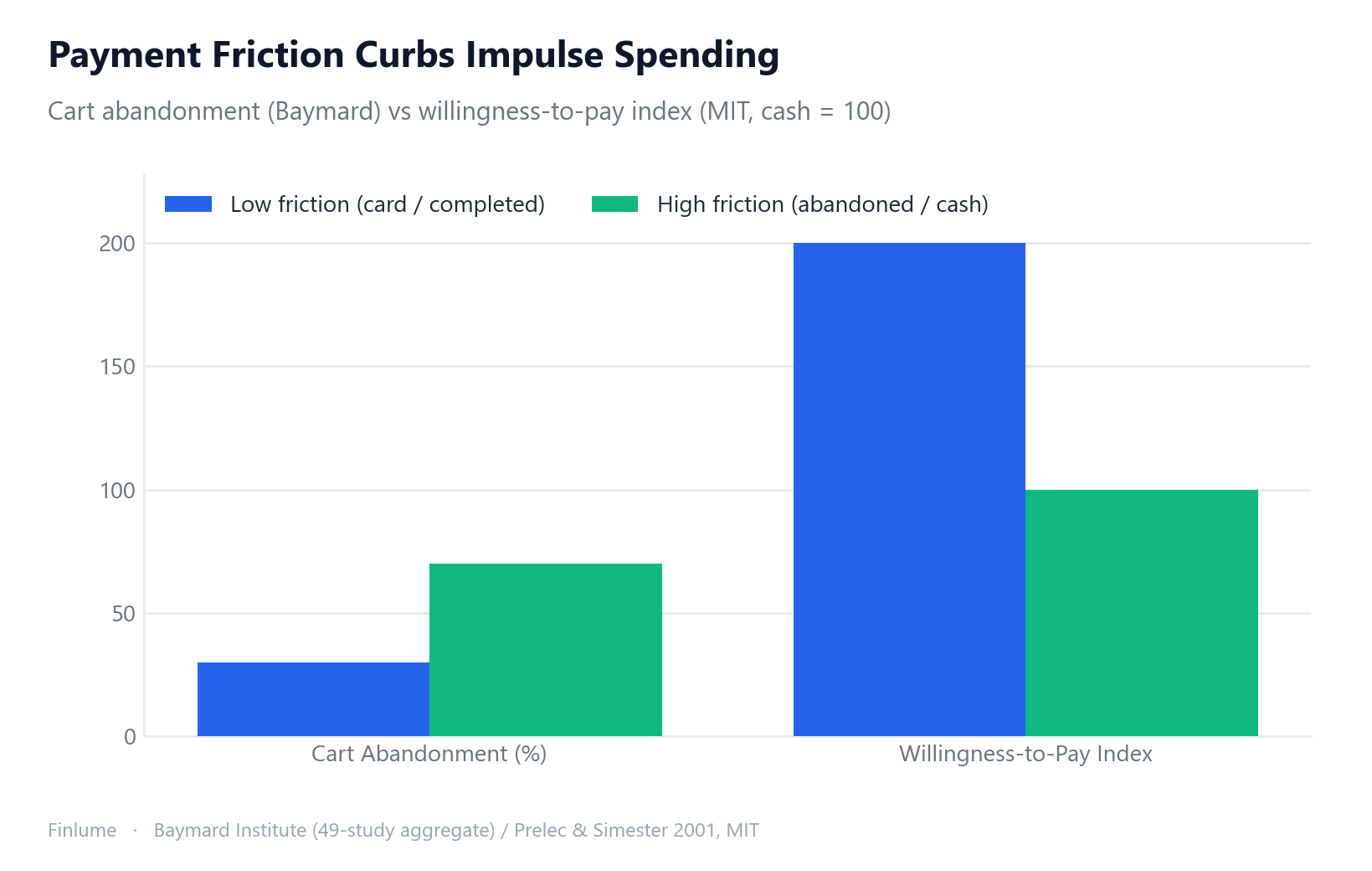
7 Psychology-Backed Strategies to Stop Impulse Buying (Use Systems, Not Willpower)
'Impulse buying isn''t weak willpower — it''s how your brain is wired. Here are 7 strategies backed by behavioral economics, from the pain of paying to opportunity cost, with hands-on notes from someone who''s lived the data.'